



20th
October
2026

The problem
Shopify's Search & Discovery app builds collection filters from the data on each product: options, tags, vendor, product type and metafields. It filters exactly what that data says. If one brand lists colour as a variant option and another puts it in the product title, only one of them appears when a customer filters by colour.
A recent client, a bathroom retailer with close to 3,000 products, sources its range from many suppliers, each with its own way of naming sizes, finishes and specifications. Their catalogue had grown faster than its data. New filters would only be as accurate as the products behind them, and the new theme was due to rely on those filters for most browsing.
What we did
We treated the product data as the first stage of the theme build. Products were restructured so the attributes customers filter by, such as colour, size and product type, sit in consistent fields. We then built an expanded metafield system for technical specifications, recommended retail prices, brand logos, linked samples and related products. Search & Discovery reads these fields directly, so filters show the same values across every brand.

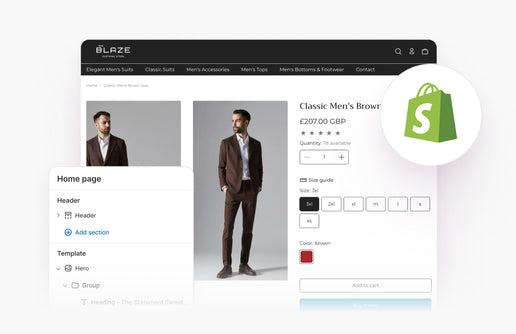
The same data now drives what customers see before they click. Any variant option named Colour renders as a swatch, using one shared set of swatch colours. Product cards show swatches, sizes, savings and review scores, so a customer can rule products in or out from the collection page. A related products metafield lets the team choose which items appear beside each product, and the redesigned mega menu groups the range into five clear columns.
Because the structure is fixed, new products only need their fields filled in. A product added with the right data appears in the right filters and on the right cards with no theme changes.
Fix the data first
Filtering problems usually look like design problems, and the first instinct is to redesign the filter panel. In most cases the panel is working correctly and the data underneath it is inconsistent. Agree the fields, clean the catalogue against them and then design the browsing experience on top. The filters improve as a side effect of better product data, as well as off site benefits to your Google Shopping feed or agentic commerce visibility.
Customers struggling to find products in a large catalogue? We structure Shopify product data so filters and navigation work at scale. Tell us about your project.
THE LATEST MARKETING INSIGHTS

